
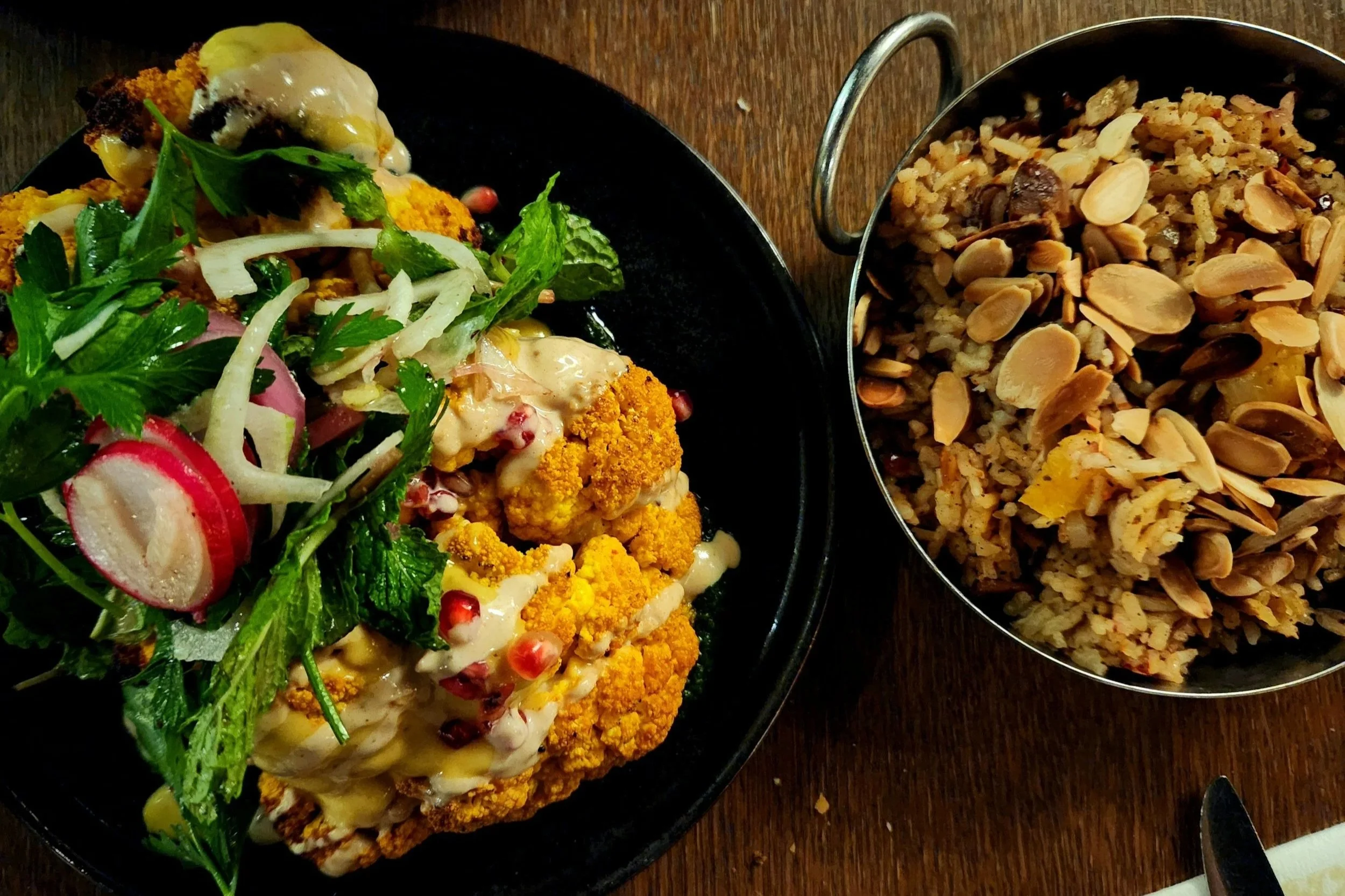
Event planners and venue teams track flight emissions and recycling rates in their quest for sustainability, yet one of the highest-leverage variables for environmental impact often remains hidden: the catering menu.
During this year’s IMEX America conference, Greener by Default’s Taylor Flores and Vegan Hospitality’s Meredith Marin joined forces to share simple behavioral science strategies that event and hospitality professionals can start using today to cut their emissions and meet attendees’ rising climate expectations.
This conversation took place towards the end of a year defined by more record-breaking temperatures, severe storms, and damaging wildfires. With the hazardous effects of climate change continuing to escalate, it’s more important than ever for society to focus on reducing its environmental impact, and event and hospitality professionals have a critical role to play in driving solutions.
The problem with the status quo event menu
Picture an event you have already planned. It’s day two, and 1,200 people are arriving. You’ve done a lot right. There is no printed program on paper because everyone is using the app. You have water refill stations instead of plastic bottles, clearly marked waste bins, and a venue that attendees can walk to from their hotels.
Then, come lunchtime, the spread consists of turkey and beef sandwiches, coleslaw and potato salad, and cheesecake for dessert. The only plant-based option is a meager vegetable sandwich without any protein or dressing.
Time and again, we see this disparity unfold at events. Planners and venue teams apply waste reduction and sustainable travel techniques, but the food gets left to the side. The result is a meat and dairy-heavy menu that doesn’t align with their sustainability goals and leaves attendees feeling confused.
The solution: Nudging diners towards plant-based options
Event and hospitality professionals fall into this trap because many don’t realize that food is often the second largest contributor to an event's carbon footprint, with specifically the type of food having the biggest impact compared to other factors, like how far the food traveled or what it is served on.
For example, one study analyzing the effectiveness of different event sustainability practices found that the carbon emissions saved from swapping from beef to veggies was almost 400% higher than the carbon savings from eliminating single-use plastic. And when it comes to sourcing local ingredients, data shows that transport-related emissions are typically only a small fraction of the total carbon footprint of a meal compared to the production-related emissions associated with land-use change and farm processes (less than 10% compared to 80%).
This isn’t to say that we should solely focus on making the swap to more plant-based foods. Plastic reduction and local sourcing are, of course, important for many social and environmental reasons. But addressing those issues isn’t enough for real impact if the core cause of emissions—the foods being served—is being ignored.
In addition to sourcing local ingredients and promoting reusable foodware, we must provide more plant-based options and gently nudge attendees towards them. This approach creates sustainable menus while preserving diner choice and satisfaction; often, all it takes to hit your goals is just a bit more attentiveness and a touch of behavioral science.
Behavioral science applied to foodservice
Whether we notice it or not, our meal choices are regularly influenced by behavioral science, including where dishes are placed on the menu or buffet line, how they are titled, and what default meal is offered. At Greener by Default and Vegan Hospitality, we use these principles to gently nudge diners towards the more sustainable, plant-based option, without restricting freedom of choice. Here’s how you can use them at your next event:
Plant-Friendly Ratios: Offer at least two plant-based options for every animal-based option. A recent study found that when menus shift from having two-thirds meat options to two-thirds vegetarian options, selection of the vegetarian meals can increase by more than 50%. When we think about it, this makes a lot of sense: If you’re at an event buffet and there’s only one vegan option, you’re most likely going to perceive it as the “special option” for vegans and vegetarians. If there’s a plethora of plant-based options, however, eating plant-based becomes more normalized, and you’re more likely to make your decision based on what looks and smells good rather than whether you identify as vegan or vegetarian.
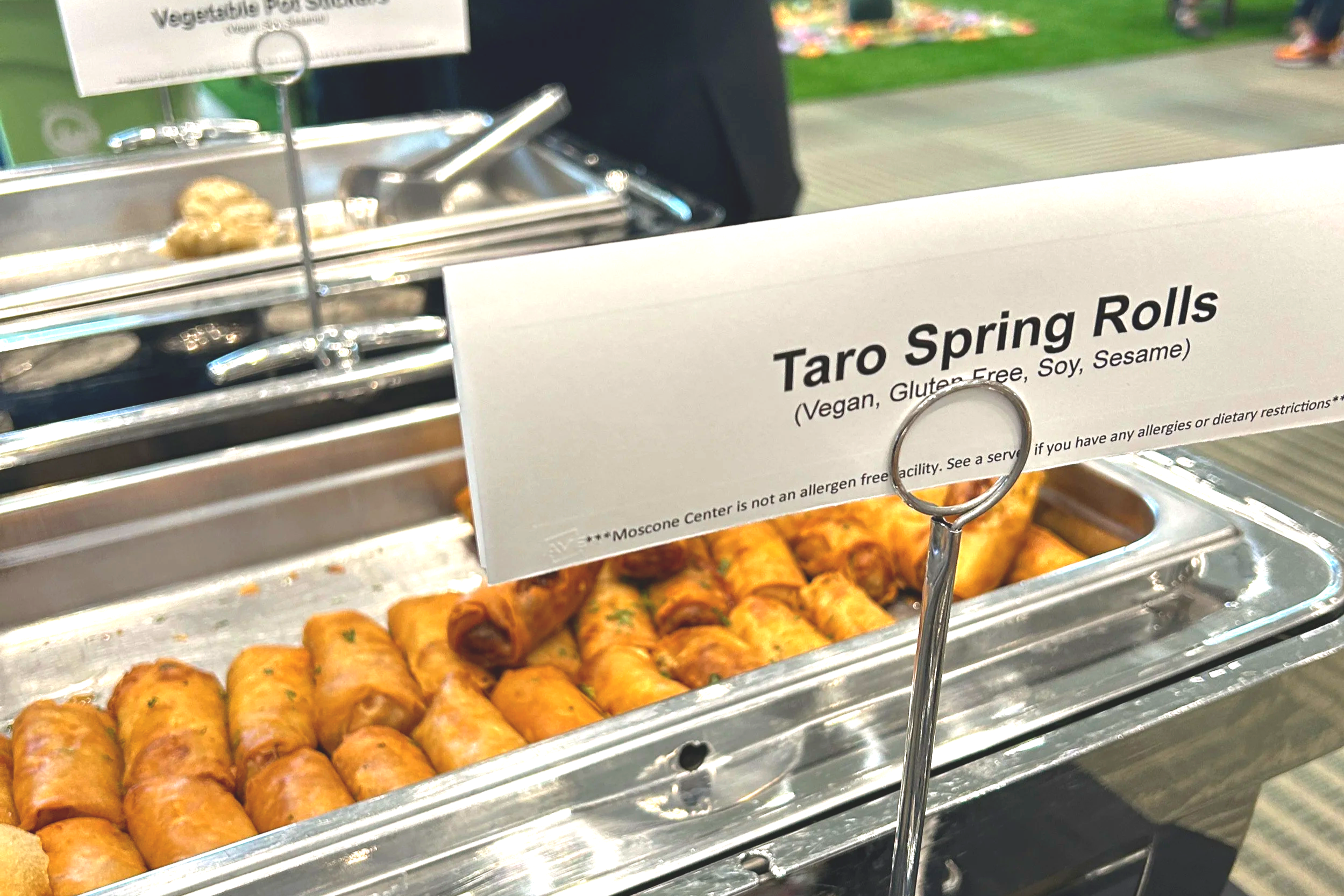
A reception buffet during Trellis Impact 26 at the Moscone Center, featuring a majority of plant-based options and tasty titles. [Photo credit: Taylor Flores]
Tasty Titles: Label plant-based foods with appetizing descriptors that focus on flavors and ingredients, rather than using terms like “vegan” or “meatless,” so you’re not reminding people of what they may be missing out on. For example, while many might not find a “Meatless" or "Vegan Pasta” appealing, they’re much more likely to want to eat a “Rosemary Lemon Chickpea Pasta.” The World Resources Institute found that making this type of title change can increase sales of plant-based items by 76%. To share dietary information with diners, we recommend including at least a small “v” or leaf at the end of each plant-based item and posting a legend nearby to make it easy for people who eat vegan for dietary reasons to locate appropriate dishes.
Prime Placement: Place plant-based options first on main menus and buffet lines. It’s also important to not separate the plant-based options from the rest of the food: When plant-based options are instead integrated into the main menu or the main buffet table, attendees are more likely to choose them without even considering the fact that they're plant-based. Greener by Default tested this approach, along with other plant-forward menu strategies, at various stadiums and arenas for Billie Eilish’s Fall 2025 North American Tour, with great results. Plant-based items sales mostly matched or exceeded forecasts and the tour produced about 40.8 fewer metric tons of carbon emissions compared to similar tours.
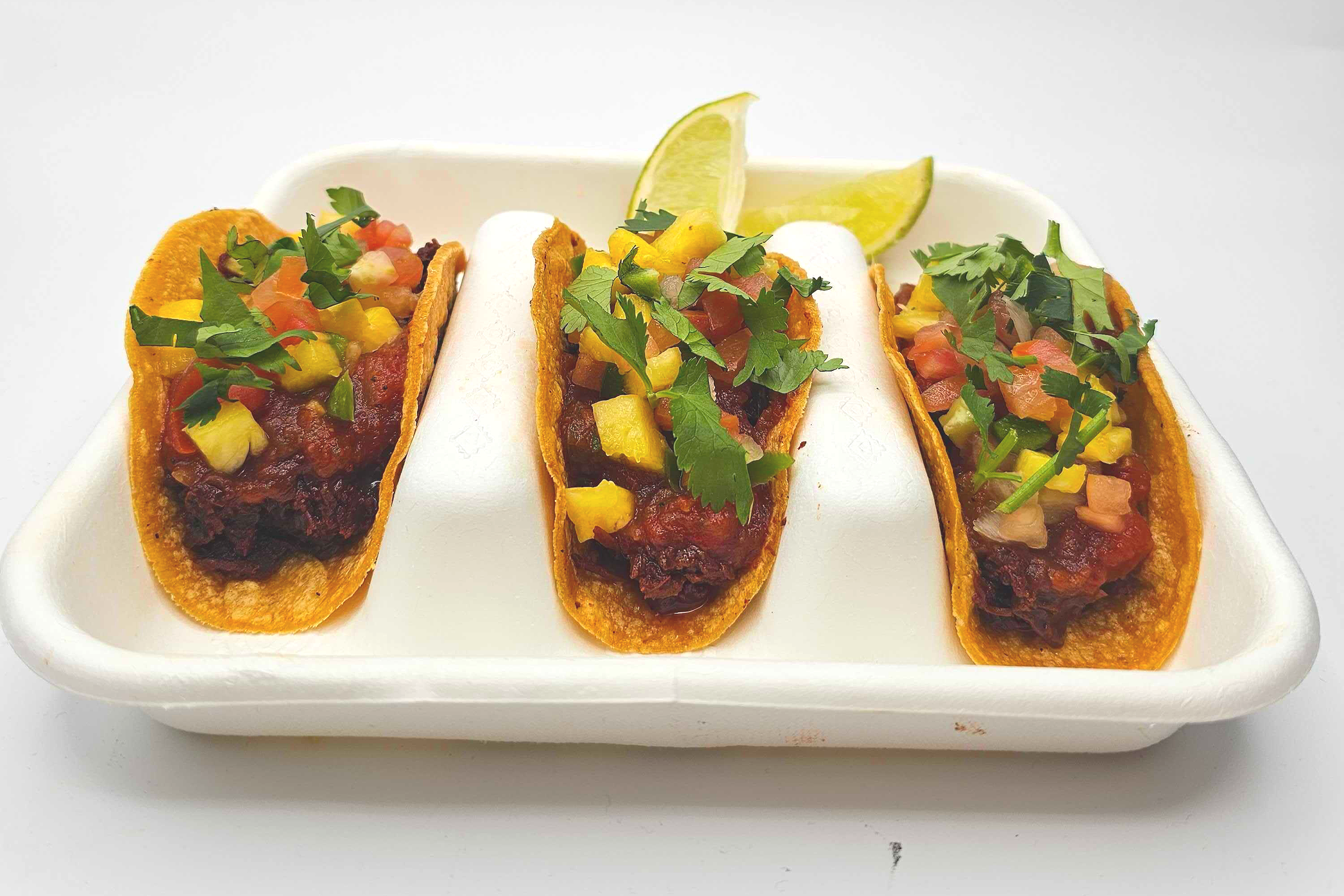
An example of one of the new plant-based dishes featured during the Billie Eilish Fall 2025 North American Tour: Jackfruit Al Pastor Tacos. [Photo credit: Levy Restaurants at the Chase Center]
Subtle Substitutions: Serve plant-based condiments, milks, desserts, and breads by default. In addition to making your menu automatically more sustainable, this can also make it more inclusive because it meets the needs of those with allergies and dietary restrictions, who may otherwise be left without creamer for their coffee or butter for their bread. And nowadays, plant-based alternatives are so good that people usually don’t notice the difference when you make the swap! They can also be more cost-effective for venue teams that implement them on a more permanent basis—For example, a school district in Colorado replaced the eggs and milk in all of their baked goods with plant-based ingredients, such as oil, applesauce, and flax seeds, and saved more than $10,000 annually.
Plant-Based Defaults: Serve plant-based meals by default and let attendees opt into meat or dairy if requested. This works especially well for smaller, private events such as VIP lunches or dinners where plated meals are served and you can confirm their meal preference in advance. Simply state on the registration form that “in alignment with our company’s commitment to sustainability, we are serving a delicious plant-based meal by default” and ask registrants to check a box if they want to stick with the plant-based meal or swap to a meat meal instead. It’s important to make this a required question so that registrants don’t accidentally overlook it. Vegan Hospitality used this strategy for a plant-forward menu pilot at an Iberostar Resort and saw the sales of plant-based items increase—even at their steakhouse!
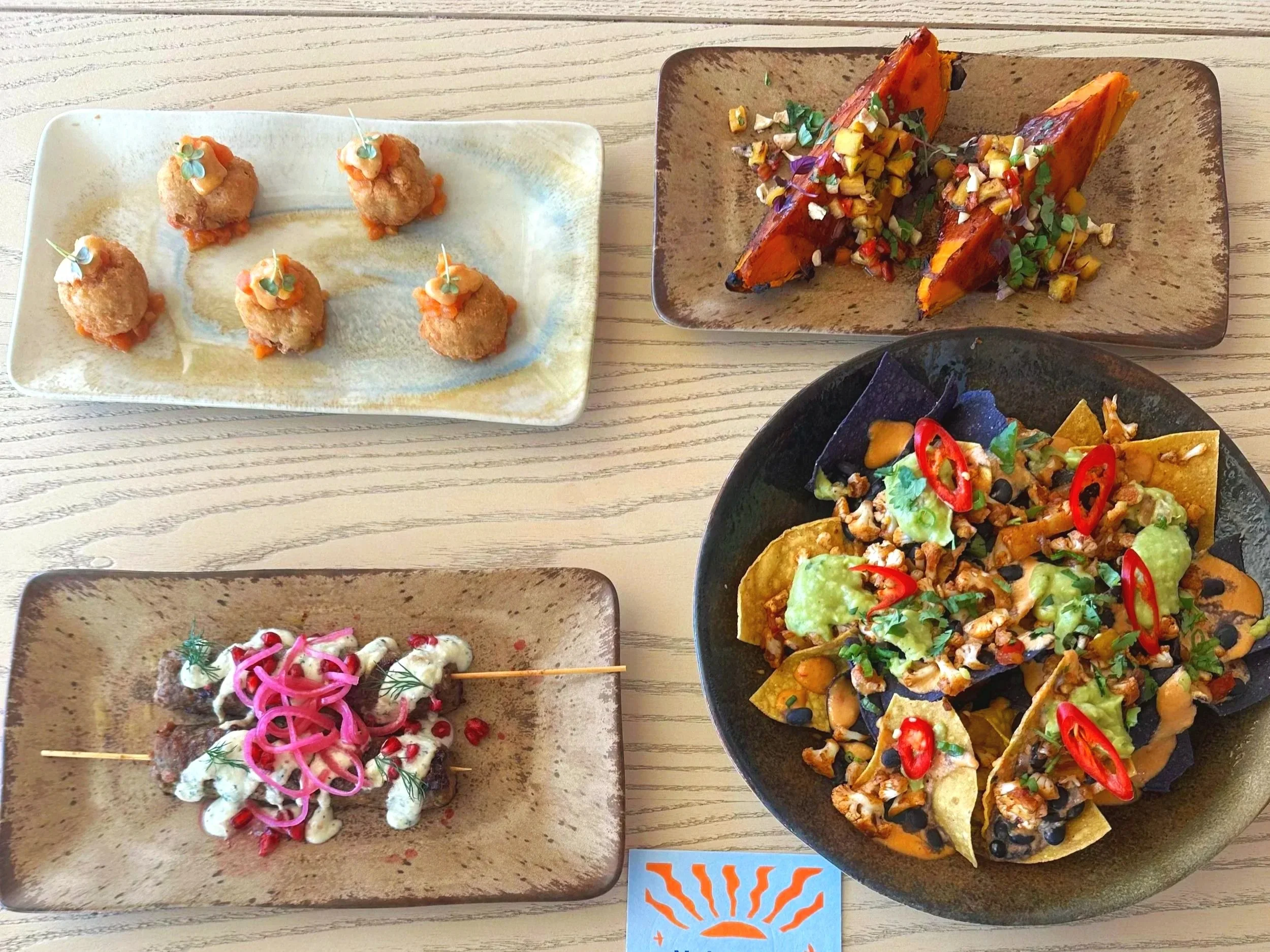
Plant-based by default meals served at the JOIA Aruba by Iberostar. [Photo credit: Meredith Marin]
Meat Reduction: Reduce the serving size of meat in dishes that do contain animal protein. This can include serving smaller, whole cuts of meat like salmon or chicken breast on plates, serving meat in smaller pieces and mixing them with lots of vegetables in buffet pans, or blending meat with plant-based ingredients in burgers and sandwiches. Blended burgers (or balanced burgers, as they are now commonly called) are especially easy to implement by mixing 70% beef with 30% mushrooms. This simple combo can slash carbon emissions, and taste tests show that many consumers actually prefer the taste of them compared to conventional beef burgers.
Don’t forget to make it delicious!
You can apply all of these behavioral science strategies, but if the food doesn’t taste good then attendees simply won’t be satisfied. That’s why it’s equally important to make your plant-based options crave-worthy and delicious! You can level up by working with your caterer to feature protein-rich plant-based dishes that are packed with flavor and include appetizing colors and exciting ingredients. Make sure to switch up the proteins provided for each meal, as well, so that people aren’t stuck eating tofu three times a day.
For example, serve JUST Egg Burritos with Chipotle Aioli for breakfast, Zesty Falafel Bowls with Tahini Dressing for lunch, and Pad Thai with Crispy Tofu for dinner. When in doubt, go with an option that you would be excited to eat and actually try the dishes ahead of time. The smallest of details can make a big difference, so it’s important to conduct a taste test and identify where you’d like to adjust seasonings or try a different ingredient.
Now it’s your turn
This might sound obvious, but emissions don't get reduced by merely learning the strategies—you have to apply them effectively to have a real impact. So we're inviting you to turn what you learned from this article into action: Take a moment to think about one strategy that you found compelling and consider how you could apply it to your work. This might mean sharing this article with your team or working with the chef at your next event to replace the word “vegan” with more appetizing descriptors across your menu.
Either way, you have the power to be a climate champion and create truly sustainable menus by focusing not only on where the ingredients are sourced and what they are being served on, but by changing the type of food presented on the plate. It all starts with just one person advocating for change—why not you? With these simple strategies in your toolkit, you can help your organization serve more sustainable, inclusive and delicious food.
Interested in working with Greener by Default or Vegan Hospitality? Contact info@greenerbydefault.org or meredith@veganhospitality.com.